職業/身份
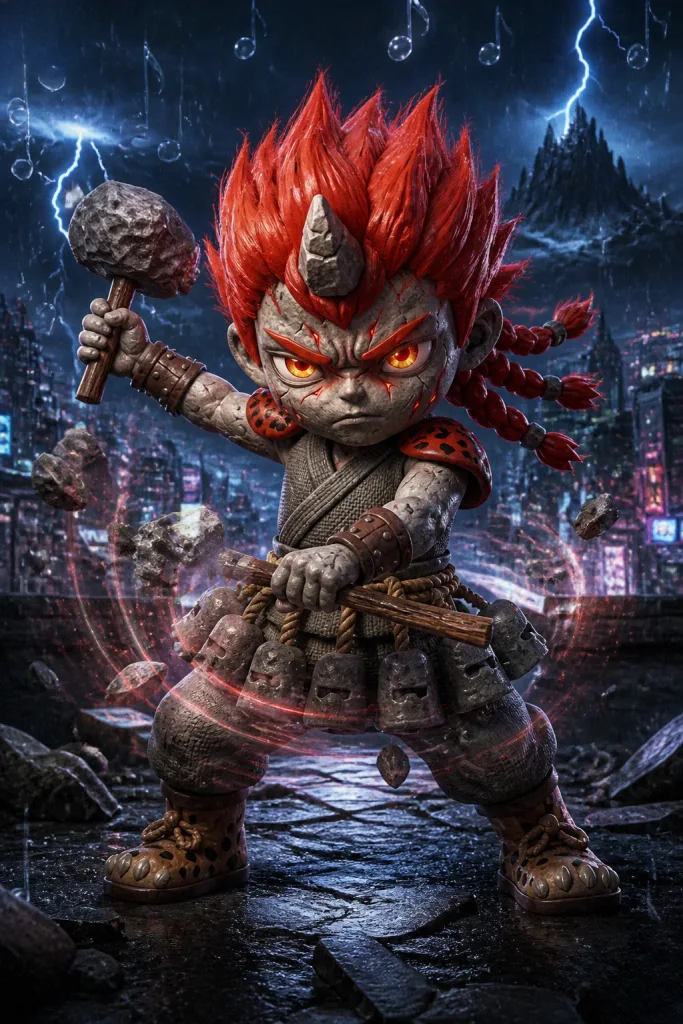
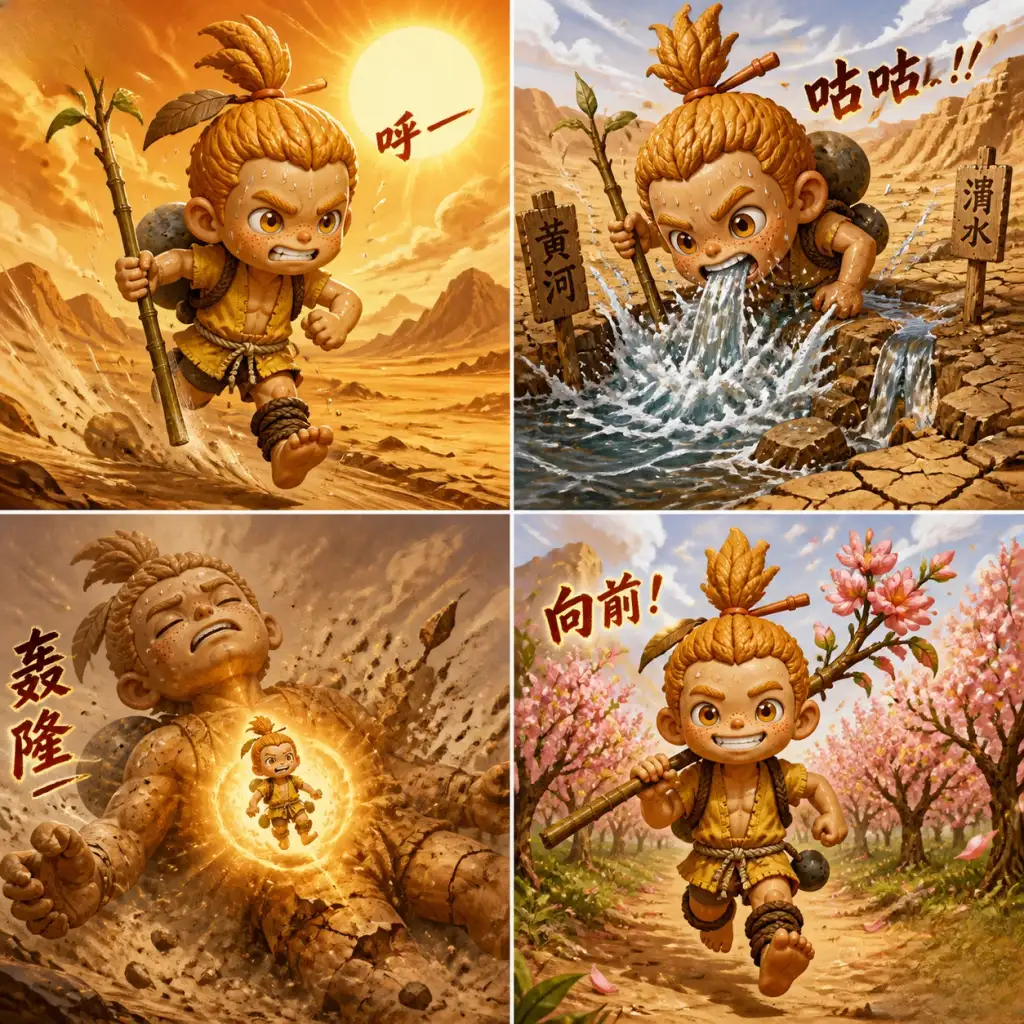
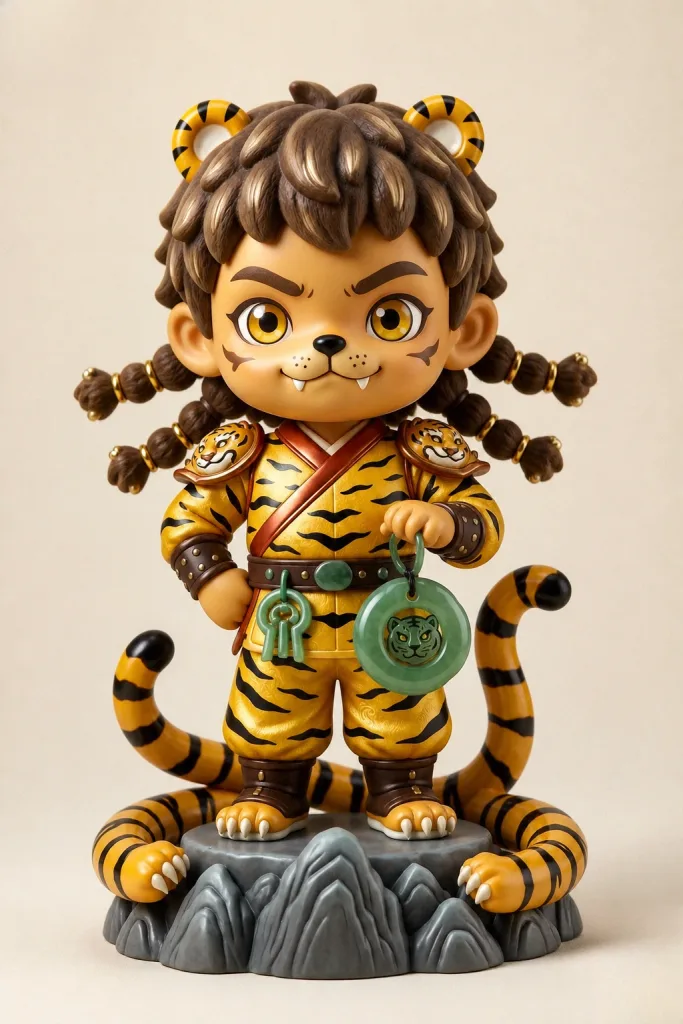
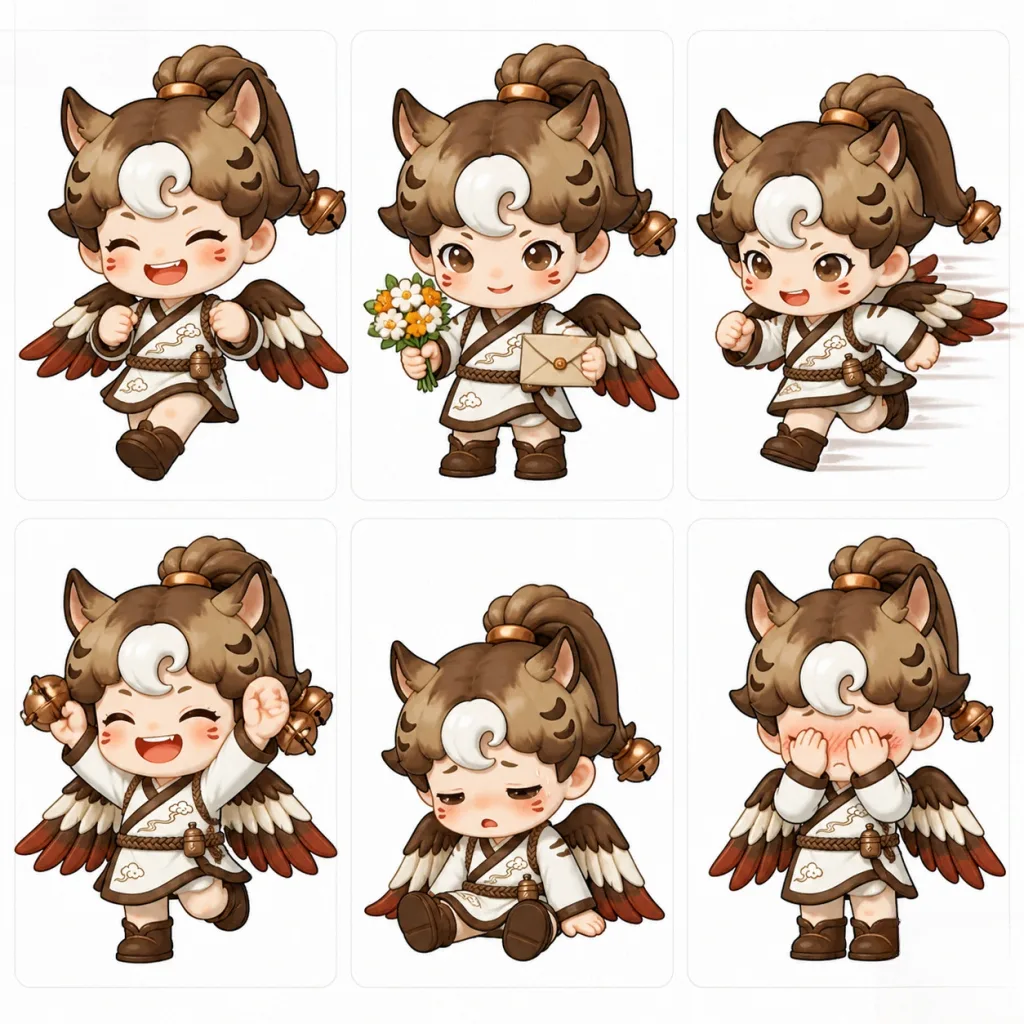
The embodiment of Chinese shadow puppetry culture, guardian of shadow puppets and screens. Wearing folk attire, holding a shadow puppet, with a screen and lighting behind him. Pi Ying guards the most theatrical-flavored craft in China — the being of "one mouth recounts eternal affairs, two hands dance millions of soldiers" — showing the charm of shadow puppetry and the brilliance of drama.
性格
Theatrical and brilliant, folk wisdom — one of the most theatrical-flavored characters in Zhonghua Baixiang. Speaks calmly and forcefully, loves using drama as metaphor, acts brilliantly and calmly. Has innate pursuit of drama, loves performing in shadow puppetry, manipulating behind the screen, interpreting under lighting. Theatrical on the surface, but has the persistence of inheritance inside — shadow puppetry is the treasure of folk, he wants to pass it on. Loves performing in shadow puppetry, manipulating behind the screen, interpreting under lighting. A bit theatrical, always maintains the focus of an artist, but his theatricality is not affectation, but the love of drama.
世界観ストーリー
Shadow puppetry is one of the oldest folk dramas in China, is a drama form in which character silhouettes made of animal skin or cardboard are used to perform stories behind a screen under lighting. Shadow puppetry is known as "one mouth recounts eternal affairs, two hands dance millions of soldiers", in 2011 Chinese shadow puppetry was listed by UNESCO as a "Masterpiece of the Oral and Intangible Heritage of Humanity". Famous shadow puppetry schools include Shaanxi shadow puppetry (Huaxian shadow puppetry, Huayin shadow puppetry), Shanxi shadow puppetry (Xiaoyi shadow puppetry, Houma shadow puppetry), Hebei shadow puppetry (Tangshan shadow puppetry, Hejian shadow puppetry), Beijing shadow puppetry (Xicheng shadow puppetry, Dongcheng shadow puppetry), Shandong shadow puppetry (Taishan shadow puppetry, Jinan shadow puppetry), Henan shadow puppetry (Lingbao shadow puppetry, Luoshan shadow puppetry), Sichuan shadow puppetry (Chengdu shadow puppetry, Langzhong shadow puppetry), Hubei shadow puppetry (Jianghan Plain shadow puppetry, Xiaogan shadow puppetry), Hunan shadow puppetry (Changsha shadow puppetry, Hengyang shadow puppetry), Guangdong shadow puppetry (Chaozhou shadow puppetry, Lufeng shadow puppetry), etc. Pi Ying was born from a night in folk. The screen shone in the lighting, the shadow puppets danced behind the screen, and an artist was performing behind the screen. His folk attire shone in the lighting, the shadow puppets danced in his hands. His screen stood behind him, the lighting shone behind him, the drama was recounted from his mouth. He was a shadow puppetry artist, he manipulated shadow puppets behind the screen, interpreted stories under lighting, recounted eternal affairs from his mouth. His shadow puppets were character silhouettes made of animal skin or cardboard, his screen was the stage of shadow puppetry, his lighting was the soul of shadow puppetry, his singing was the voice of shadow puppetry. He knew the charm of shadow puppetry — shadow puppetry is one of the oldest folk dramas in China, is a drama form in which character silhouettes made of animal skin or cardboard are used to perform stories behind a screen under lighting, known as "one mouth recounts eternal affairs, two hands dance millions of soldiers". That theatricality and folk wisdom transformed into the spiritual form of Pi Ying. Since then, Pi Ying has walked the mortal world as the spirit of craft. He often appears at screens, lighting, stages, guarding the charm of shadow puppetry and the brilliance of drama. He carries a shadow puppet and a lamp — whoever he meets, he tells the drama of "one mouth recounts eternal affairs, two hands dance millions of soldiers." He often says: "Shadow puppetry is one of the oldest folk dramas in China, is a drama form in which character silhouettes made of animal skin or cardboard are used to perform stories behind a screen under lighting. One mouth recounts eternal affairs, two hands dance millions of soldiers. Drama is the charm of shadow puppetry. Folk wisdom is the soul of shadow puppetry."
Character Profile
Cultural Origin
Shadow puppetry is one of the oldest folk dramas in China, is a drama form in which character silhouettes made of animal skin or cardboard are used to perform stories behind a screen under lighting. ①History — shadow puppetry originated in the Han dynasty (Emperor Wu of Han missed Lady Li, the alchemist Li Shaoweng used shadow puppetry to summon her spirit), developed in the Tang and Song dynasties, flourished in the Ming and Qing dynasties, has over 2000 years of history; ②Production — shadow puppets are made of animal skin (cowhide, donkey hide, sheepskin, pigskin) or cardboard, through eight processes: selecting skin, making skin, drawing drafts, transferring drafts, carving, coloring, sweating and ironing, assembling and combining, one shadow puppet requires carving over 3000 knives; ③Form — shadow puppetry is known as "one mouth recounts eternal affairs, two hands dance millions of soldiers", artists manipulate shadow puppets behind the screen, while singing and accompanying, performing historical stories, folk legends, mythological stories, opera stories, etc.; ④Schools — Shaanxi shadow puppetry (Huaxian shadow puppetry, fine and beautiful; Huayin shadow puppetry, simple and vigorous), Shanxi shadow puppetry (Xiaoyi shadow puppetry, simple and elegant; Houma shadow puppetry, fine and beautiful), Hebei shadow puppetry (Tangshan shadow puppetry, colorful; Hejian shadow puppetry, simple and vigorous), Beijing shadow puppetry (Xicheng shadow puppetry, fine and beautiful; Dongcheng shadow puppetry, simple and vigorous), Shandong shadow puppetry (Taishan shadow puppetry, simple and elegant; Jinan shadow puppetry, fine and beautiful), Henan shadow puppetry (Lingbao shadow puppetry, rough and bold; Luoshan shadow puppetry, simple and vigorous), Sichuan shadow puppetry (Chengdu shadow puppetry, fine and beautiful; Langzhong shadow puppetry, simple and elegant), Hubei shadow puppetry (Jianghan Plain shadow puppetry, fine and beautiful; Xiaogan shadow puppetry, simple and vigorous), Hunan shadow puppetry (Changsha shadow puppetry, fine and beautiful; Hengyang shadow puppetry, simple and vigorous), Guangdong shadow puppetry (Chaozhou shadow puppetry, fine and beautiful; Lufeng shadow puppetry, simple and vigorous), etc.; ⑤Themes — historical stories (Three Kingdoms, Water Margin, Journey to the West, Investiture of the Gods, Sui and Tang, etc.), folk legends (White Snake Legend, Cowherd and Weaver Girl, Meng Jiangnu, Liang Shanbo and Zhu Yingtai, etc.), mythological stories (Shan Hai Jing, Investiture of the Gods, Journey to the West, etc.), opera stories (adapted from Peking opera, Yu opera, Qinqiang, etc.), modern stories (revolutionary stories, modern life, etc.); ⑥Accompaniment — the accompanying instruments of shadow puppetry include banhu, erhu, sanxian, flute, suona, gongs and drums, etc., the singing styles include Qinqiang, Wanwanqiang, Laoqiang, Peking opera, Yu opera, Pingju, etc.; ⑦Uses — shadow puppetry is used for temple fairs, festivals, weddings, funerals, sacrifices, entertainment and other occasions, is one of the most popular drama forms in Chinese folk. In 2011 Chinese shadow puppetry was listed by UNESCO as a "Masterpiece of the Oral and Intangible Heritage of Humanity", is one of the first batch of folk dramas in China listed in the World Intangible Cultural Heritage. Shadow puppetry is an important symbol of Chinese folk culture, is one of the oldest and most popular folk dramas in China, known as the "pioneer of cinema", "the earliest animation".
Craft & Commercialization
Recommended size 8-12cm (folk craft setting, size can be smaller). The folk attire is the main highlight: recommend theatrical design, attire may use pad printing or water-transfer printing (shadow puppet patterns/opera patterns/geometric patterns/figure patterns), attire may use segmented injection, attire may use dark/red color scheme. Shadow puppet is a separate part, may be detachable, shadow puppet may use transparent or semi-transparent material (cowhide/donkey hide texture), shadow puppet may use figure/animal/scenery shape, shadow puppet may use colorful paint, shadow puppet may have movable design (joints movable). Screen is a separate part, may be detachable, screen may use white/semi-transparent material, screen may use frame shape. Lighting is a separate part, may be detachable, lighting may have light-emitting design (LED/warm yellow). Control rod is a separate part, may be detachable, control rod may use wood/bamboo paint. Instrument is a separate part, may be detachable, instrument may use banhu/erhu/sanxian/gongs and drums shape. Headwear/crown is a separate part, may be detachable, headwear may use opera crown/scarf shape. Hands may hold objects (shadow puppet/control rod). Base may use screen/lighting/stage texture. Overall uses dark/red/warm yellow as main tones, conveying the theatrical brilliance of Pi Ying.
Licensing Fit
Suitable for cultural creative brands (shadow puppetry/shadow puppet play/folk drama theme), cultural tourism (Tangshan/Huaxian/Xiaoyi/shadow puppetry theme), home brands (shadow puppetry/Chinese style/screen theme), apparel brands (folk style/theatrical style), education brands (shadow puppetry/traditional culture theme), drama brands (shadow puppet play/folk drama theme), and gift brands (shadow puppetry/gift theme). The theatrical folk image of Pi Ying suits cultural creative and drama collabs, forming the "shadow puppetry-paper cutting" folk art pairing with Jian Zhi.
3D Model Preview
360° rotation, zoom for details, AR preview available on mobile devices
Character Assets
Full set of commercially available assets: illustration, turnaround, extended content, art toys & merch, cultural gifts, and atmosphere art